EN

Materials for Demanding Applications

Aerospace

Click to view details
Nickel-base superalloys and titanium alloys address complementary performance requirements across aerospace systems, from high-temperature strength and creep resistance to high specific strength and corrosion resistance. Alloy grade, material condition and product form are selected according to operating conditions and applicable aerospace specifications.
Aerospace

Alloy 718 · UNS N07718

Alloy 718 is a precipitation-hardening nickel-base alloy combining high yield and tensile strength with creep-rupture capability at temperatures up to approximately 704°C (1300°F). Its sluggish age-hardening response allows annealing and welding without spontaneous hardening during heating and cooling, contributing to good weldability.


Ti-6Al-4V · Grade 5 · UNS R56400

Ti-6Al-4V is the most widely used alpha-beta titanium alloy, combining high strength, low density, formability and corrosion resistance. It is heat treatable for moderate increases in strength and is generally recommended for service at temperatures up to approximately 350°C (660°F).


Representative Applications

1 .Jet-engine disks, rings, casings and shafts
2 . Airframe structural components
3 . Aerospace fasteners
4 . Titanium tubing for aircraft systems


Oil & Gas

Click to view details
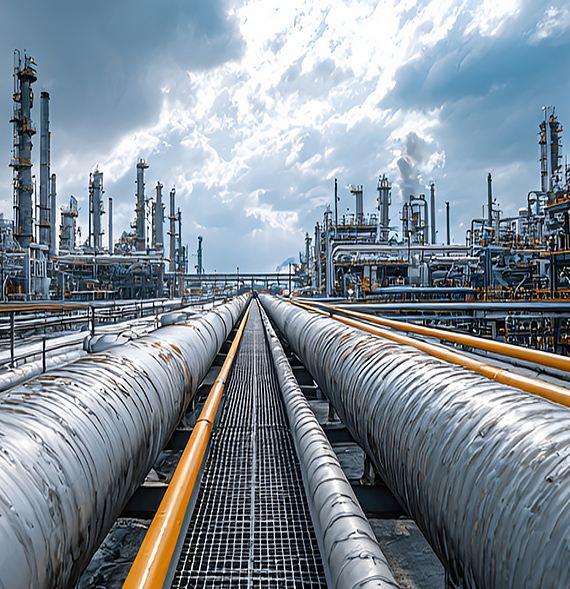
Nickel alloys support oil and gas systems exposed to sour service, chlorides, seawater, high pressures and elevated temperatures. Alloy grade, material condition and product form are selected according to required strength, resistance to localized corrosion and environmentally assisted cracking, and applicable sour-service specifications.
Oil & Gas

Alloy 625 · UNS N06625

Alloy 625 is a nickel-chromium-molybdenum-niobium alloy strengthened primarily by the solid-solution effects of molybdenum and niobium. It combines high strength and toughness with resistance to oxidation and a broad range of corrosive environments.


Alloy 925 · UNS N09925

925 is an age-hardenable Ni-Fe-Cr alloy designed to resist corrosion while providing high strength. A combination of copper, titanium, molybdenum, and aluminum, in conjunction with nickel, provides excellent resistance to stress-corrosion cracking, pitting and crevice corrosion, and oxidizing and reducing environments.


Alloy K-500 · UNS N05500

Alloy K-500 is an age-hardenable nickel-copper alloy that combines corrosion resistance similar to Alloy 400 with higher strength and hardness through additions of aluminum and titanium.


Alloy C-276 · UNS N10276

Alloy C-276 was the first wrought nickel-chromium-molybdenum material to alleviate welding concerns through very low carbon and silicon contents.


Representative Applications

1 .Downhole tools and well-completion equipment
2 . Wellheads, valves , flowlines and tubing hangers
3 . Offshore fasteners, pump shafts and valve components
4 . Refinery heat exchangers, transfer piping and flare systems

Industrial

Click to view details
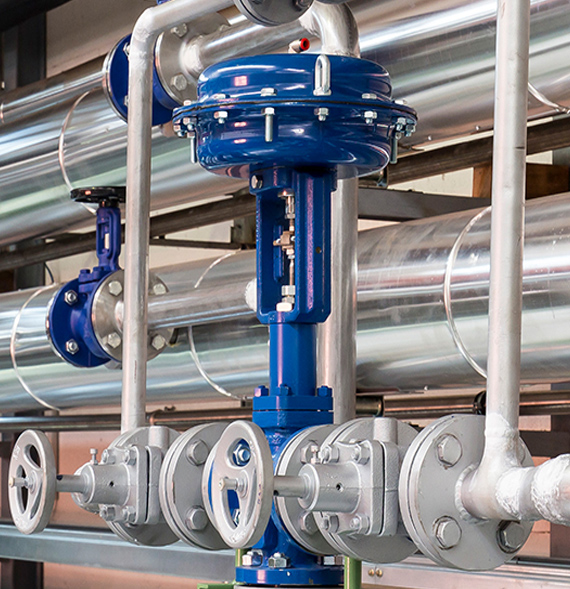
Industrial equipment often operates under combined corrosion, pressure, temperature and mechanical-loading requirements. Austenitic and precipitation-hardening stainless steels provide different combinations of corrosion resistance, strength, fabrication characteristics and material-condition flexibility.
Industrial

316Ti · UNS S31635 · EN 1.4571

A titanium-stabilized, molybdenum-bearing austenitic stainless steel offering good corrosion resistance and improved resistance to intergranular corrosion after elevated-temperature exposure.


316 Condition B · Cold-Worked Type 316

316 Condition B is a cold-work-strengthened austenitic stainless steel combining higher mechanical strength than annealed Type 316 with the corrosion resistance of the 316 stainless steel family.


S20910 · XM-19

XM-19 is nitrogen-strengthened austenitic stainless steel combining higher strength than conventional 300-series grades with good resistance to general and localized corrosion. Its austenitic structure also provides low magnetic response, although mechanical properties and magnetic permeability remain dependent on product form and material condition.


17-4PH · Type 630 · UNS S17400

17-4PH is a chromium-nickel-copper precipitation-hardening stainless steel combining high strength with moderate corrosion resistance. Its properties can be adjusted through different aging treatments.


Representative Applications

1 . Heat exchangers and condensers

2 . Valves and pump components

3 . Process vessels and pressure equipment

4 . Shafts, fasteners and machined components

Electronics

Click to view details
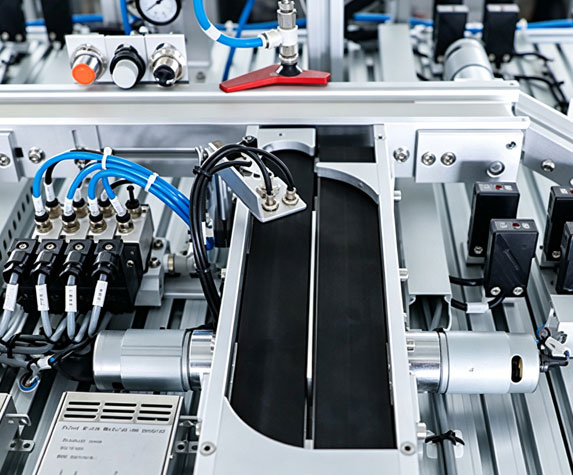
Materials for semiconductor manufacturing must combine corrosion resistance, cleanliness, controlled surface finish and traceable product specifications. Selection depends on process chemistry, purity requirements, melt practice and finished-component condition.
Electronics

316UHP · High-Purity 316L Stainless Steel

316UHP is a high-purity 316L stainless steel product category developed for semiconductor chemical and process-gas delivery systems. It combines the corrosion resistance and low-carbon composition of 316L with controlled material cleanliness and inclusion levels. SEMI F20 defines composition and metallurgical-cleanliness requirements for specified product forms, while melt practice, electropolishing, surface roughness, inspection and packaging must be confirmed for each ordered product.


Alloy 22 · UNS N06022

Alloy 22 is a nickel-chromium-molybdenum alloy containing tungsten and controlled low levels of carbon and silicon. It provides resistance to oxidizing and reducing media as well as pitting, crevice corrosion and stress-corrosion cracking, making it a candidate for corrosive process environments where conventional stainless steels may be insufficient.


Representative Applications

1 . Ultra-high-purity process gas systems

2 . Gas manifolds and valve components

3 . HCl and corrosive-gas transmission lines

4 . Measurement and vacuum-system components

Transportation

Click to view details
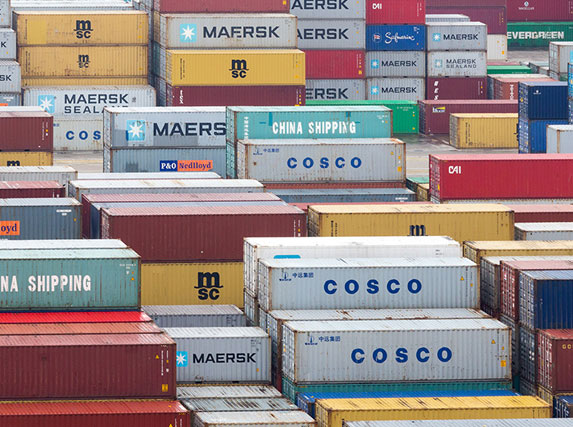
Materials for transportation components must balance efficient production, mechanical performance, corrosion resistance and cost. Free-machining and heat-treatable stainless steels address different manufacturing and service requirements.
Transportation

303 · UNS S30300 · EN 1.4305

303 is a sulfur-alloyed, free-machining austenitic stainless steel developed for efficient and consistent production of precision-machined components. Its enhanced machinability supports higher cutting productivity and improved tool life, although its corrosion resistance and suitability for highly stressed service are more limited than those of non-free-machining austenitic grades.


410 · UNS S41000 · EN 1.4006

410 is a heat-treatable martensitic stainless steel that can develop useful combinations of strength, hardness and ductility through appropriate hardening and tempering. It provides moderate corrosion and oxidation resistance for mechanically loaded components, while final properties and service suitability depend on the specified heat-treatment condition and product form.


Representative Applications

1 . Nuts, bolts and threaded fasteners

2 . Shafts, pins and valve components

3 . Gears, bearings and precision-machined part